Can Smart Appliances Revolutionise Compact Urban Living in Australia?

Urban Living and Technology
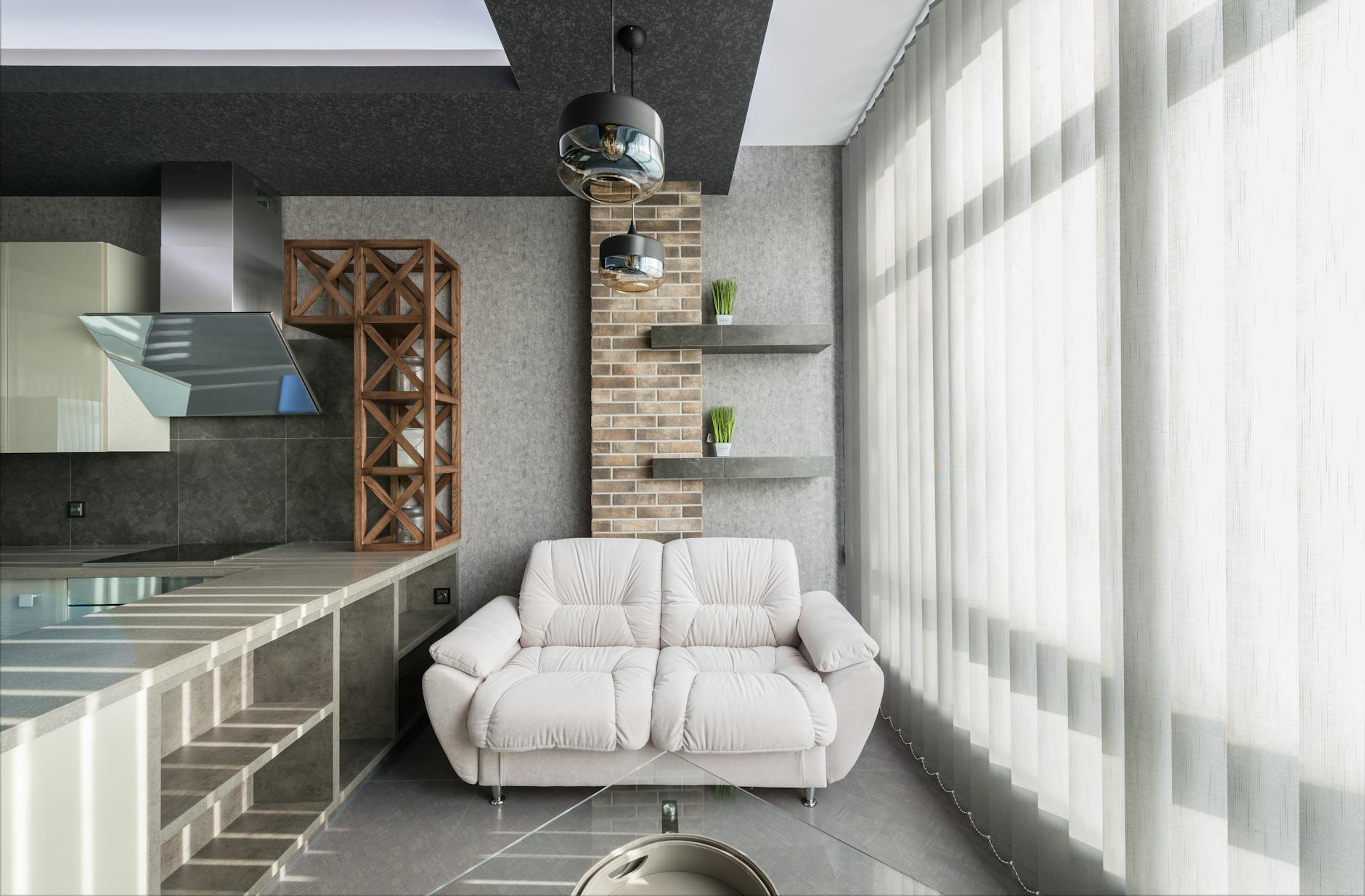
In Melbourne, the Docklands re-development area exemplifies innovative urban living where adapting to smaller spaces is becoming the norm. As more residents increasingly lean toward compact living, incorporating smart technology becomes not just a preference but a necessity. Microwaves play a pivotal role, offering versatile cooking solutions that save both time and valuable kitchen space. Many residents find that such appliances can seamlessly blend functionality with urban aesthetics.
The role of smart appliances extends beyond mere convenience; they actively enhance how we interact with our living spaces. Induction cooktops are a fine example. Their sleek design and efficient operation make them ideal for today's urban dwellers. The rapid heating and precise temperature control offer an experience akin to professional-grade cooking, all from a small kitchen. These features also align with sustainable practices, a core principle behind public utility innovations seen at Federation Square.
The impact of smart technology on lifestyle and efficiency is significant, transforming daily routines into smoother, more streamlined processes. For instance, a TV equipped with smart capabilities can serve as an all-in-one entertainment hub and home assistant. By making urban living spaces more efficient, these technologies allow residents to enjoy a higher quality of life while still maintaining the advantages of a bustling city lifestyle. As we continue to evolve our urban environments, embracing these advances will become increasingly vital for maximising both space and efficiency.
Key Features of Smart Appliances
Integration with Home Systems
For those of us advocating for smart city advancement here in Melbourne, understanding how smart appliances can seamlessly integrate with existing home systems is crucial. These appliances, whether they’re dryers or other devices, are designed to communicate and operate with overarching systems like home assistants and energy management panels. It's reminiscent of innovations seen at Federation Square, where synchronisation and technological integration play key roles. As urban planners or officials living amidst rapid tech growth, embracing these advancements is essential for enhancing urban lifestyle quality.
Energy Efficiency and Sustainability
Shifting our focus to sustainability, smart appliances are equipped with features that optimise energy consumption, aligning with Melbourne's vision of reducing its ecological footprint. For example, energy-efficient bar fridges are not just beneficial for the consumer’s pocket but also for the environment, embodying the public utility innovations we're striving for. As residents eager to improve urban living conditions, this shift toward energy-efficient appliances supports broader sustainability goals.
Enhancing Culinary Precision
In the realm of cooking, precision is paramount. For a professional like Lachlan Reid, the benefits of smart kitchen technology can’t be understated. Appliances that allow meticulous temperature controls and advanced cooking settings bring professional quality to home kitchens. This precision empowers culinary artists to push creative boundaries, reflecting the spirit of community projects near St Kilda Road, where creativity and precision converge. For anyone passionate about transforming their kitchen experience, these innovations equip you with the tools necessary for culinary excellence.
Benefits for Culinary Professionals
Replicating Restaurant-Level Quality
In the bustling kitchen space, quality and efficiency are central elements that every culinary professional, like someone managing a high-end restaurant in Sydney, aspires to maintain at home. With advancements in appliance technology, bringing the level of refinement found in a restaurant to a compact living space is increasingly feasible. Air fryers, for instance, are perfect for chefs who wish to replicate the crispness and rich flavours associated with professional kitchens. They use minimal oil to create dishes with a texture and taste that impress even the most discerning palates.
Reducing Preparation Time
Culinary professionals know time is of the essence, both in commercial and home kitchens. Smart appliances like dishwashers can significantly reduce downtime, allowing chefs to focus more on creativity and less on cleaning. These appliances not only streamline the process by efficiently managing dirty dishes with enhanced speed and effectiveness but also ensure you can keep pace with the demands of high-volume cooking. Streamlining tasks can free up precious time, which can be invested in experimenting with innovative cooking techniques.
Supporting Creative Cooking Techniques
Smart appliances foster an environment conducive to culinary exploration and experimentation. For urban planners and residents around Federation Square, where public utility innovations thrive, incorporating such advanced technology into daily living can enhance the quality of urban life. By leveraging these tools, chefs at home can delve into diverse methods, achieving results that resonate with the innovative spirit of Melbourne’s Docklands redevelopment area. These tools can inspire chefs to expand their culinary repertoire and push the boundaries of traditional cooking paradigms.
Implementing Smart Technology
Choosing the Right Appliances
In the pursuit of transforming urban living spaces, selecting appliances that efficiently integrate into smaller environments is key. Embracing options like a Zip Tap not only saves space but also provides instant boiling, chilled, and sparkling water, enhancing convenience while maintaining efficiency. For someone like Lachlan Reid, a head chef with a knack for innovative kitchen solutions, a compact high-performance fridge could seamlessly blend into his limited kitchen space while offering the advanced features needed for preserving culinary ingredients. As urban developments, like those seen near Federation Square, push the envelope for public utility innovation, these appliances become instrumental in redefining modern living spaces.
Overcoming Space Constraints
Compact living often poses the challenge of limited kitchen real estate. The key is utilising multifunctional appliances that condense several tasks into one. For instance, incorporating an oven that doubles as a microwave saves counter space and offers versatility, crucial for maintaining an organised and efficient cooking area. Creative layouts and thoughtful storage solutions also play a pivotal role, turning every inch of available space into a functional asset.
Maintaining Performance and Quality
Ensuring that the appliances not only fit but perform to professional standards is essential for individuals like Lachlan, who aspire to bring restaurant-quality craftsmanship into their home kitchens. Regular maintenance and investing in equipment known for durability and efficient repair options prevent inefficiencies. This attention to performance aligns with the impressive public utility enhancements witnessed in urban spaces like the Docklands redevelopment area, reflecting the broader vision of integrating innovation with quality in urban living.
Addressing Challenges with Smart Appliances
Simplifying Complex Interfaces
Living in urban areas like Melbourne's Docklands means adapting to compact living spaces that require smart solutions. With smart technology becoming an integral part of our homes, managing their interfaces becomes crucial. Many smart appliances have intricate controls, which can be daunting. To enhance usability, consider devices that offer voice control, such as those compatible with virtual assistants. This allows hands-free, intuitive interaction without the steep learning curve.
Building Reliable Support Systems
In a developing area like Federation Square, reliable support for smart appliances is essential. The synergy between public utilities and private initiatives in such hubs pushes the boundaries of technology in urban living. However, it also requires robust customer support to ensure that these connections remain efficient. Look for manufacturers who provide timely and accessible support, including both digital troubleshooting resources and real-time assistance. This will keep your appliances optimal, ensuring you can enjoy the full potential of your smart home experience.
Finding the Innovation-Practicality Balance
As we see with community projects near St Kilda Road, being at the forefront of innovation doesn't mean ignoring practicality. Smart appliances should offer value beyond novelty. When selecting your gadgets, focus on those that improve processes like energy management, thereby contributing to sustainability goals. Appliances that blend functionality with advanced features help address urban living improvement without sacrificing ease of use. This balance will facilitate seamless integration into compact urban homes, enhancing the quality of life without unnecessary complexity.